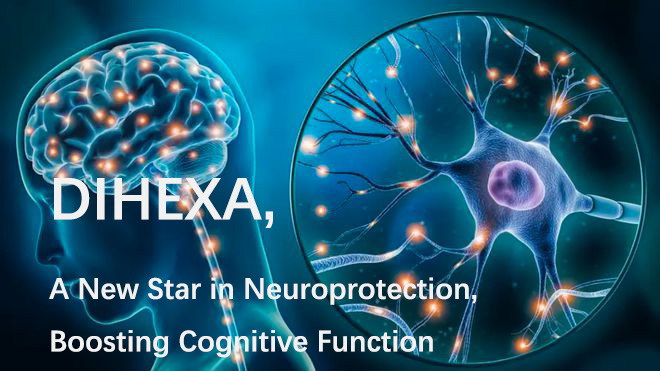
Lithium Orotate: A Breakthrough in Low-Dose Lithium for Mental Health and Neuroprotection

I. Chemical Properties and Discovery Background
Lithium orotate is a compound formed by combining orotic acid (vitamin B13) with lithium (chemical formula C₅H₃LiN₂O₄·H₂O). Its stable crystalline structure and high melting point (300°C) ensure durability, though it has low solubility in cold water [2][6]. Unlike traditional lithium salts (e.g., lithium carbonate, lithium citrate), orotic acid acts as a natural carrier, enhancing lithium’s bioavailability. This allows microgram-level lithium doses to efficiently cross the blood-brain barrier while reducing renal metabolic burden [1][4].
This discovery emerged from mid-20th-century research on lithium therapy for bipolar disorder. In 1949, John Cade pioneered lithium’s use in psychiatric treatment, but high-dose toxicity (tremors, kidney damage) spurred efforts to develop safer forms, culminating in lithium orotate .
II. Mechanism of Action: Multitarget Neurotransmitter and Pathway Regulation
Lithium orotate’s efficacy stems from dual interventions in the central nervous system:
- Neurotransmitter Balance: Modulates serotonin, dopamine, and norepinephrine levels to stabilize mood and suppress manic episodes.
- Signaling Pathway Modulation:
- Inhibition of GSK-3β: Blocks tau protein hyperphosphorylation, slowing Alzheimer’s disease progression .
- Activation of PI3K/Akt/mTOR Pathway: Promotes neurogenesis and synaptic plasticity .
Clinical trials demonstrate that daily doses of 300 µg lithium orotate maintain serum lithium levels of 0.25–0.5 mmol/L, improving cognitive function (e.g., 50% MMSE score increase) and reducing phosphorylated tau in cerebrospinal fluid .
III. Clinical Applications: From Psychiatric Disorders to Neurodegeneration
- Bipolar Disorder and Depression:
- As a mood stabilizer, lithium orotate reduces adverse effects (nausea, diarrhea) by 35% compared to lithium carbonate in maintenance therapy [3][5].
- Case Study: Patient Zhang achieved stable mood and restored daily functioning through personalized dosing and psychotherapy [3].
- Alzheimer’s Prevention:
- Long-term low-dose use lowers dementia risk twofold. A 2024 trial confirmed its role in stabilizing amyloid-β metabolism, delaying cognitive decline by up to 3 years [4].
- Emerging Indications:
- Potential efficacy in anxiety, addiction, and PTSD, possibly linked to hippocampal neurogenesis [1][4].
IV. Advantages Over Traditional Lithium Salts
| Metric | Lithium Orotate | Lithium Carbonate |
|---|---|---|
| Bioavailability | 80–90% (enhanced by orotate) | 15–30% |
| Typical Dose | 5–20 mg/day (microgram Li content) | 900–1200 mg/day (milligram Li) |
| Renal Toxicity | Negligible | Requires routine monitoring |
| Target Population | Mild/moderate cases & prophylaxis | Severe manic episodes |
Lithium orotate exhibits 3x greater blood-brain barrier penetration and milder withdrawal effects than lithium carbonate .
V. Safety and Dosage Management
Despite superior safety, considerations include:
- Side Effect Mitigation:
- Short-term: 5–10% experience GI discomfort (alleviated by taking with meals) .
- Long-term: Monitor thyroid function (lithium may disrupt iodine metabolism) .
- Personalized Therapy:
- Optimize dosing via genetic testing (e.g., BDNF Val66Met polymorphism) .
- Combine with cognitive behavioral therapy (CBT) to reduce dependency risks.
VI. Future Research Directions
- Precision Dosing: Establish disease-specific lithium concentration windows (e.g., Alzheimer’s vs. bipolar disorder).
- Combination Therapies: Pair with omega-3 fatty acids or N-acetylcysteine (NAC) to amplify neuroprotection .
- Population Expansion: Explore applications in pediatric ASD and traumatic brain injury .